Event Planning Tips for the Sober Curious Movement
As the sober curious movement continues to grow, meeting planners have an opportunity to create more welcoming and inclusive experiences for every attendee. Whether someone abstains from alcohol for health, religious, personal, or lifestyle reasons, thoughtful event design ensures everyone feels comfortable participating fully. At Special D Events, we believe these decisions are part of Participant-Centered Meeting Design, creating events that consider the diverse needs and preferences of every participant.
Understanding the Sober Curious Movement
The sober curious movement represents a growing trend of individuals who are reevaluating their relationship with alcohol. These individuals may be curious about the benefits of sobriety, seeking to improve their overall well-being, or simply exploring alternative ways to socialize and celebrate without relying on alcohol. As attendee expectations evolve, organizations are recognizing that inclusive event planning extends beyond accessibility and dietary accommodations. It also means creating social experiences where every participant can engage comfortably, regardless of their relationship with alcohol.
Thoughtful Venue Selection
Venue choice sends a powerful message. When evaluating venues, consider how alcohol fits into the overall attendee experience. Choose locations where networking, entertainment, and social interaction aren’t dependent on alcohol, ensuring every participant has opportunities to connect comfortably.
Pre-Event Communications
Incorporate the theme of inclusivity and sobriety in the event’s marketing materials and invitations. Emphasize the diverse array of activities, non-alcoholic beverages, and interactive entertainment that awaits guests. By highlighting the event’s alcohol-free options, you encourage guests to embrace the unique experience and foster an atmosphere of camaraderie for all attendees.
Sober Curious Networking Opportunities
Facilitate networking opportunities that promote genuine connections without relying on alcohol-centric environments. Plan team-building exercises, creative icebreakers, or discussion groups that encourage meaningful interactions among attendees. This approach fosters a welcoming atmosphere and ensures that everyone feels valued and included in the event’s activities. Many attendees appreciate structured networking opportunities because they reduce the pressure of traditional cocktail receptions. Facilitated discussions, shared experiences, collaborative activities, and guided introductions often produce stronger professional connections than unstructured social hours alone.
Engaging Activities and Entertainment
Keep the focus on entertainment that doesn’t revolve around alcohol consumption. Consider hosting team building exercises, engaging workshops, or interactive games that encourage collaboration and friendly competition.
Incorporate wellness-focused activities such as yoga sessions or mindfulness workshops.
Mocktail Stations
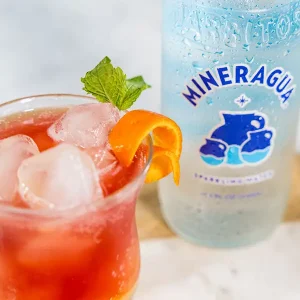
Elevate the participant experience for sober curious guests by offering an extensive array of alcohol-free beverage options, including mocktails, artisanal sodas, and freshly squeezed juices. Consider collaborating with mixologists to design sophisticated and visually appealing mocktail menus that rival traditional cocktail offerings. By offering mindful experiences, curating non-alcoholic options, and creating a welcoming atmosphere, events can become inclusive and enjoyable gatherings for all attendees, regardless of their relationship with alcohol.
Make Non-Alcoholic Options Feel Intentional
Offering mocktails isn’t enough if they’re treated as an afterthought. Present non-alcoholic beverages with the same creativity and visibility as cocktails. Attractive displays, thoughtful menus, and high-quality ingredients communicate that every attendee’s preferences are valued—not accommodated.
Bottom Line
Designing events with sober curious attendees in mind also benefits many other participants, including those who abstain for religious or cultural reasons, people in recovery, pregnant attendees, designated drivers, and anyone who simply prefers not to drink. Inclusive event planning recognizes that participants arrive with different experiences and creates environments where everyone feels equally welcome.
Get More Ideas From Special D Events
This blog reflects Special D Events’ Participant-Centered Event Design approach, which helps organizations create events that are more engaging, inclusive, and impactful. You can check out our other blogs and our complimentary resources. Better still, contact us today and let’s get started planning your next meeting or event!